 KissMada, your online Madagascar souvenir shop



Something has shifted in how people shop for cultural identity online, and it's not subtle. Cultural merchandise...
Latest posts
-
 Why Cultural Merchandise Online Is Booming in 2026Read more
 -
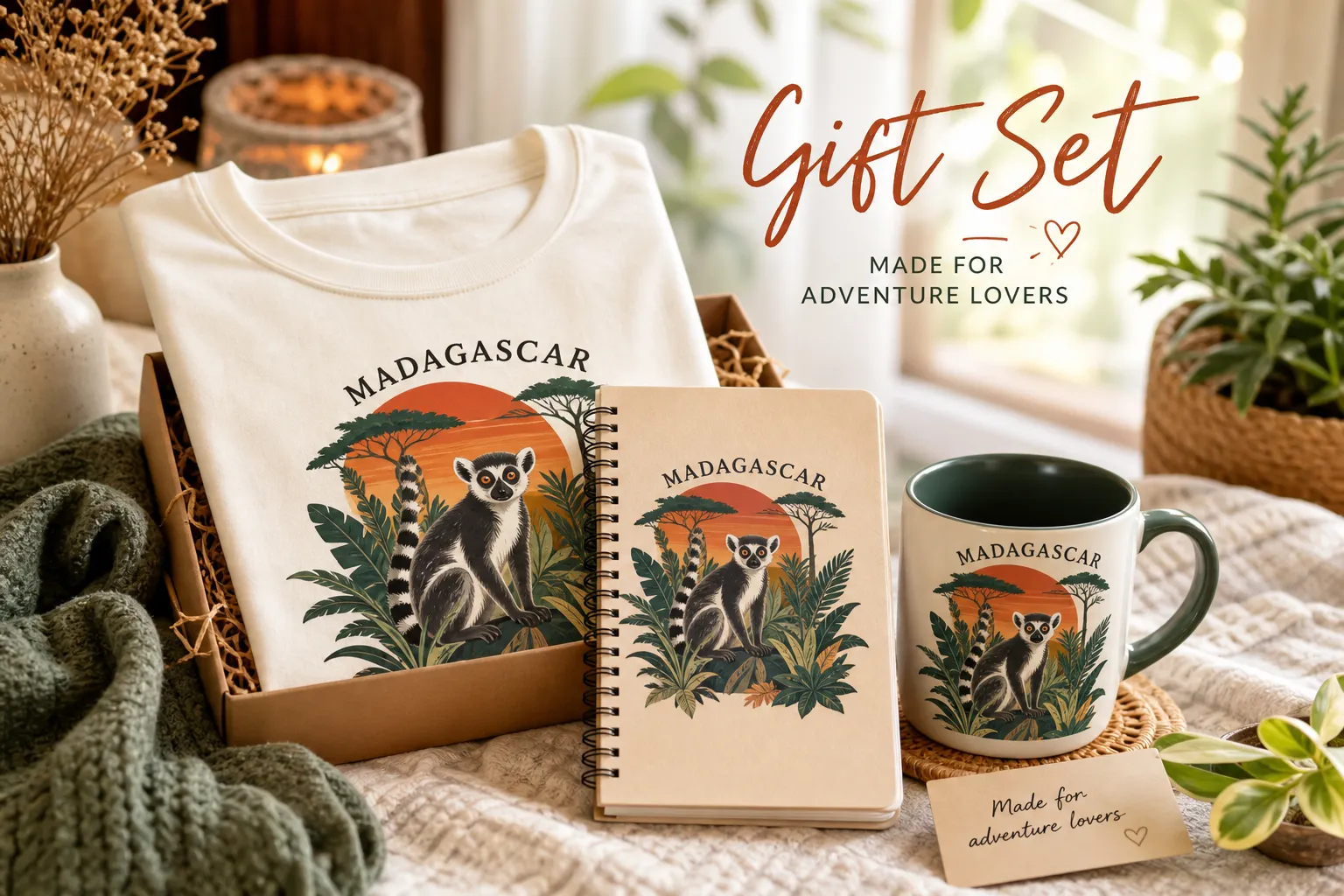 Madagascar Mug, Notebook & Shirt: The Perfect Gift SetRead more
Most Madagascar gifts end up in a drawer. The fridge magnet loses its novelty by week two. The framed photo blends...
-
 Best Everyday Madagascar Gifts People Will Actually UseRead more
The carved zebu looks great on the shelf for about a week. Then it gets pushed to the back, buried behind a candle...
-
 How to Find the Best Homeland Gifts Online StoreRead more
If you're hunting for a homeland gifts online store that actually feels authentic, this guide will help you find one...
-
 Best Diaspora Online Souvenir Shops to Know in 2026Read more
Most people searching for authentic homeland souvenirs online hit the same wall fast: generic platforms stuffed with...
-
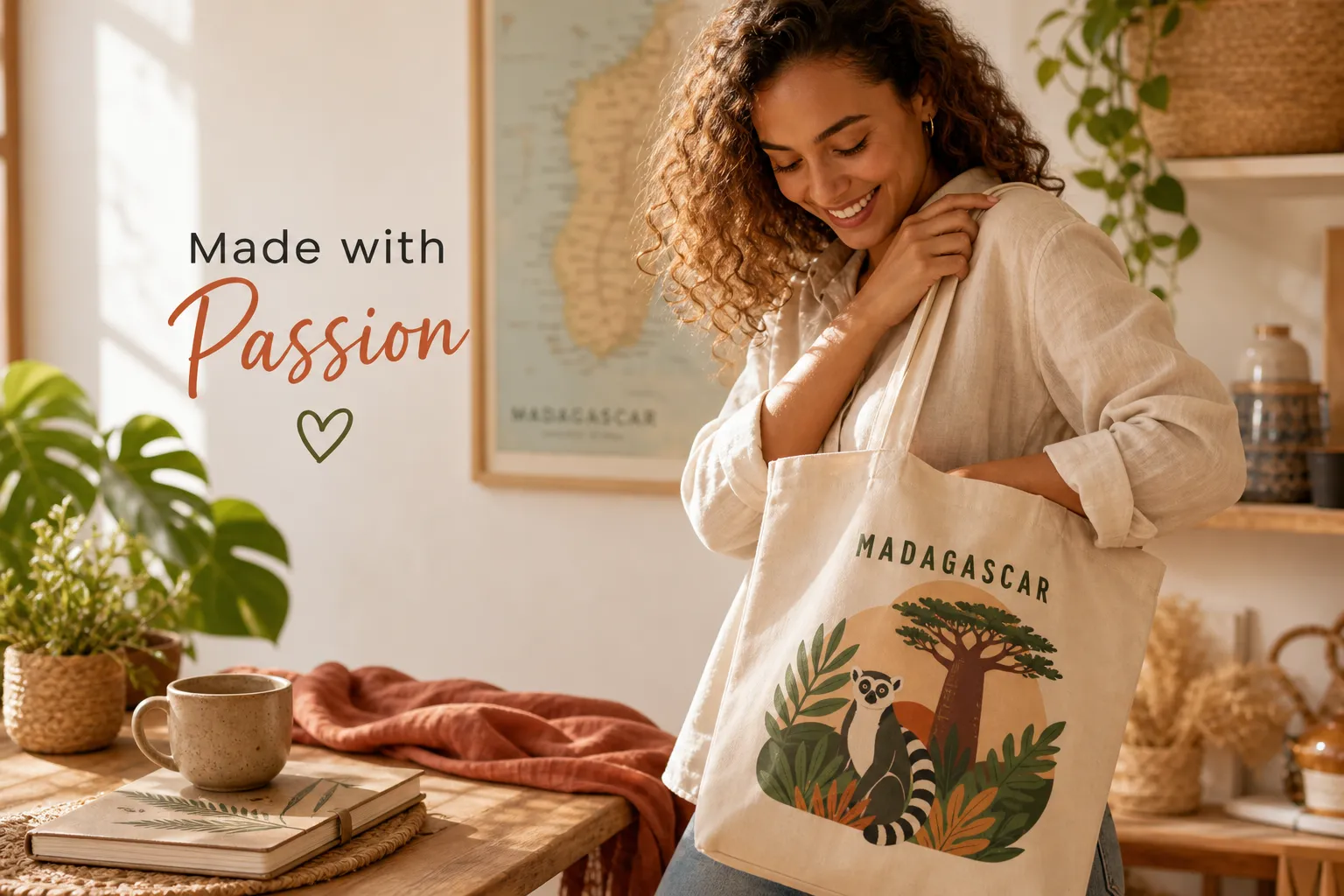 Madagascar Lifestyle Products: Wear Your Passion DailyRead more
A mug on your desk. A hoodie you reach for on a cold Tuesday morning. A tote bag that goes everywhere. These aren't...
-
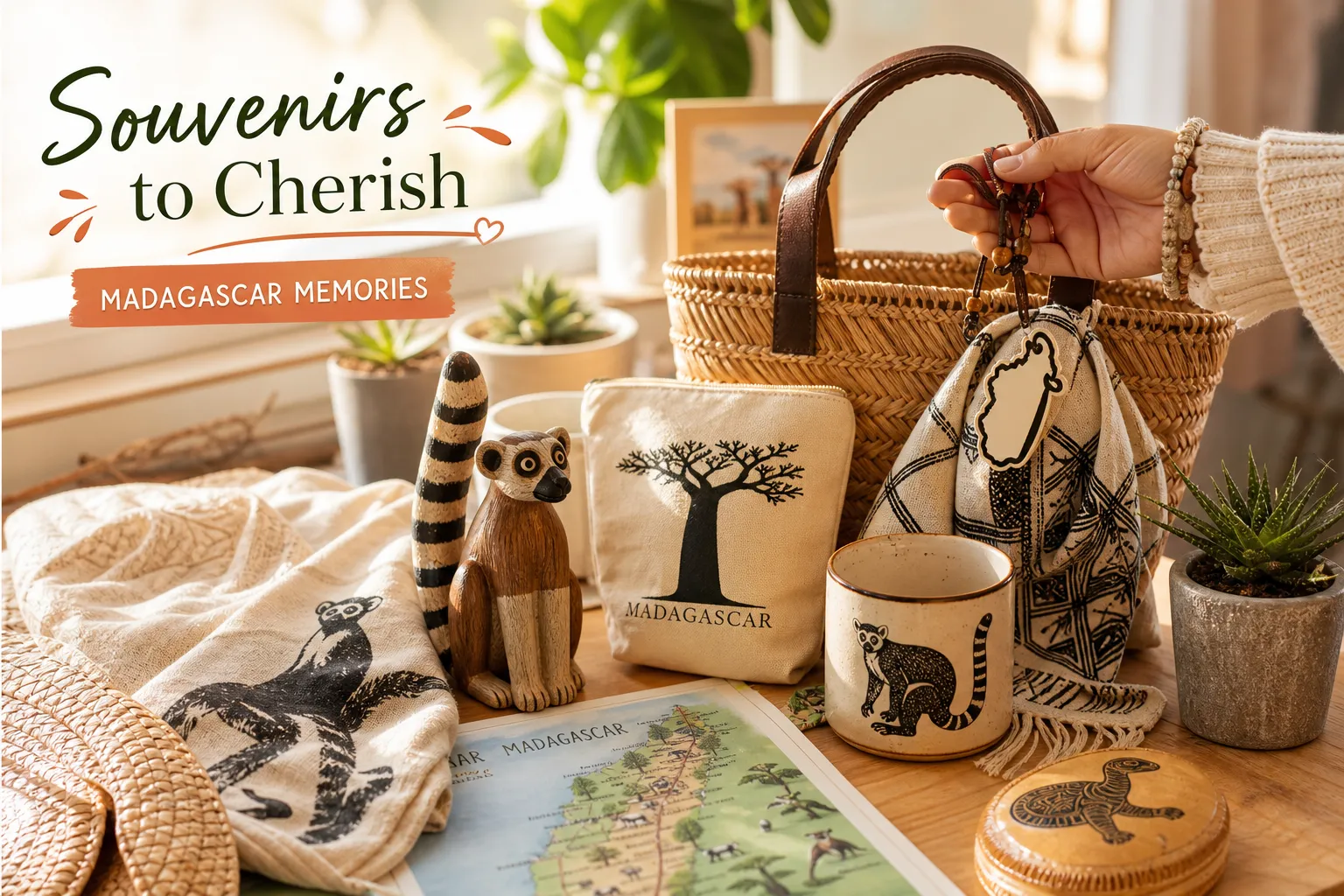 Best Souvenir Ideas After a Madagascar TripRead more
You're back. The humidity is gone, the lemurs are a memory, and you're standing in your living room holding a raffia...
-
 Madagascar Wildlife Apparel: A Guide for Nature LoversRead more
Many Madagascar animal shirts on the market share the same problem: generic stock art, forgettable prints, and no...
-
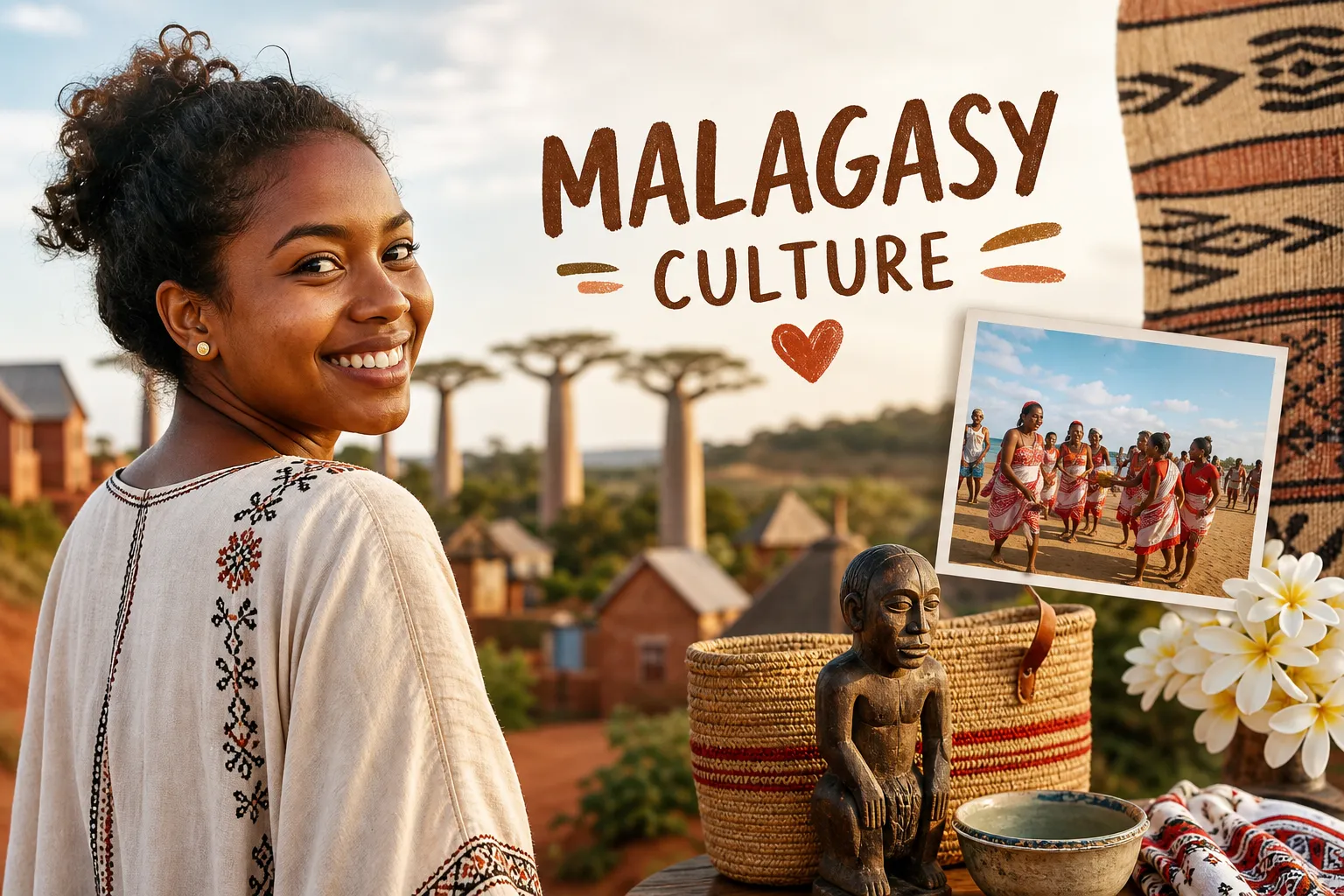 15 Malagasy Culture Facts That Will Surprise YouRead more
Many Americans know Madagascar through the DreamWorks animated film of the same name. The real island is something...
-
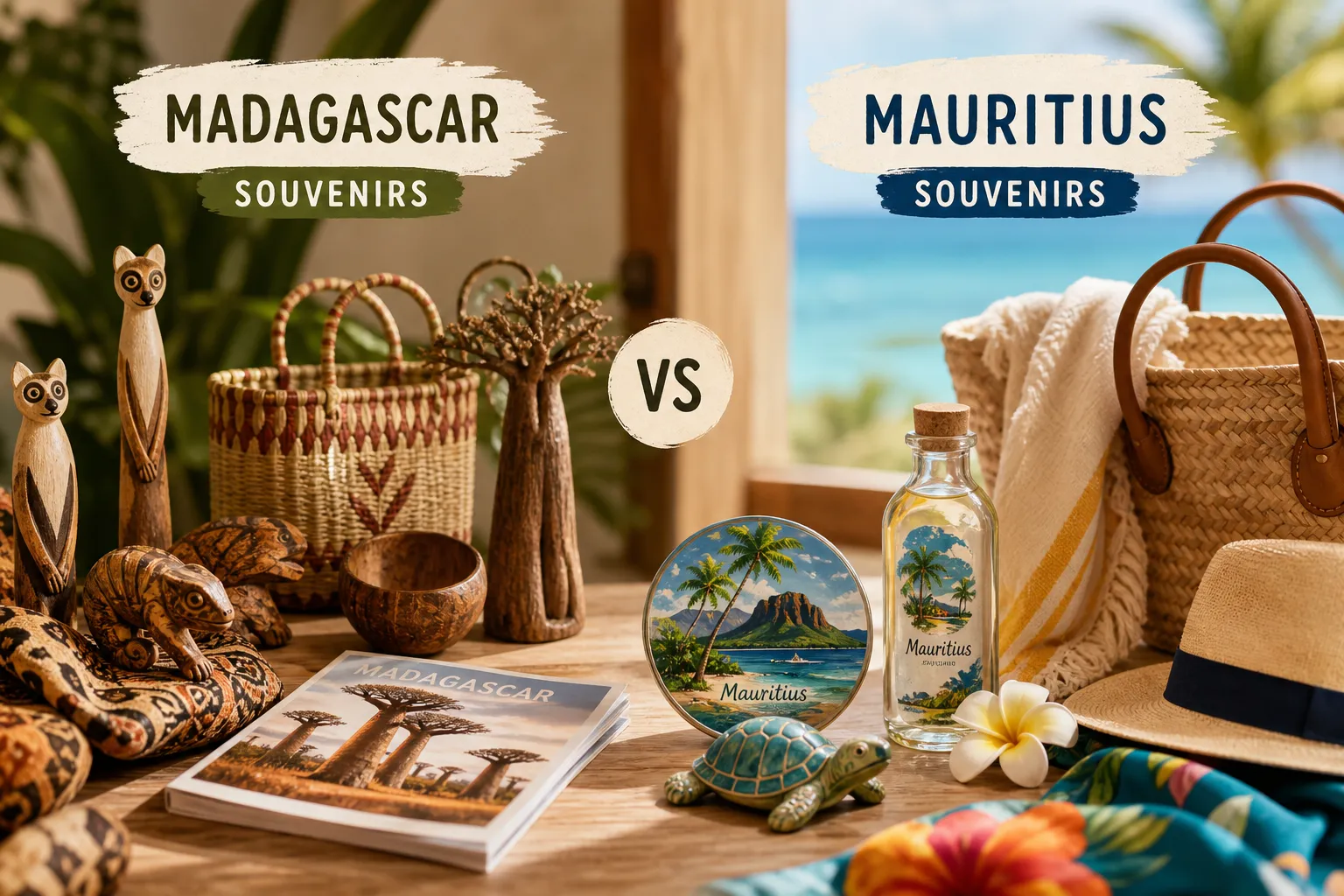 Madagascar vs Mauritius Souvenirs: Key DifferencesRead more
When comparing Madagascar vs Mauritius souvenirs, most travelers are surprised by how little overlap there actually...
Blog categories
Search in blog
Archived posts
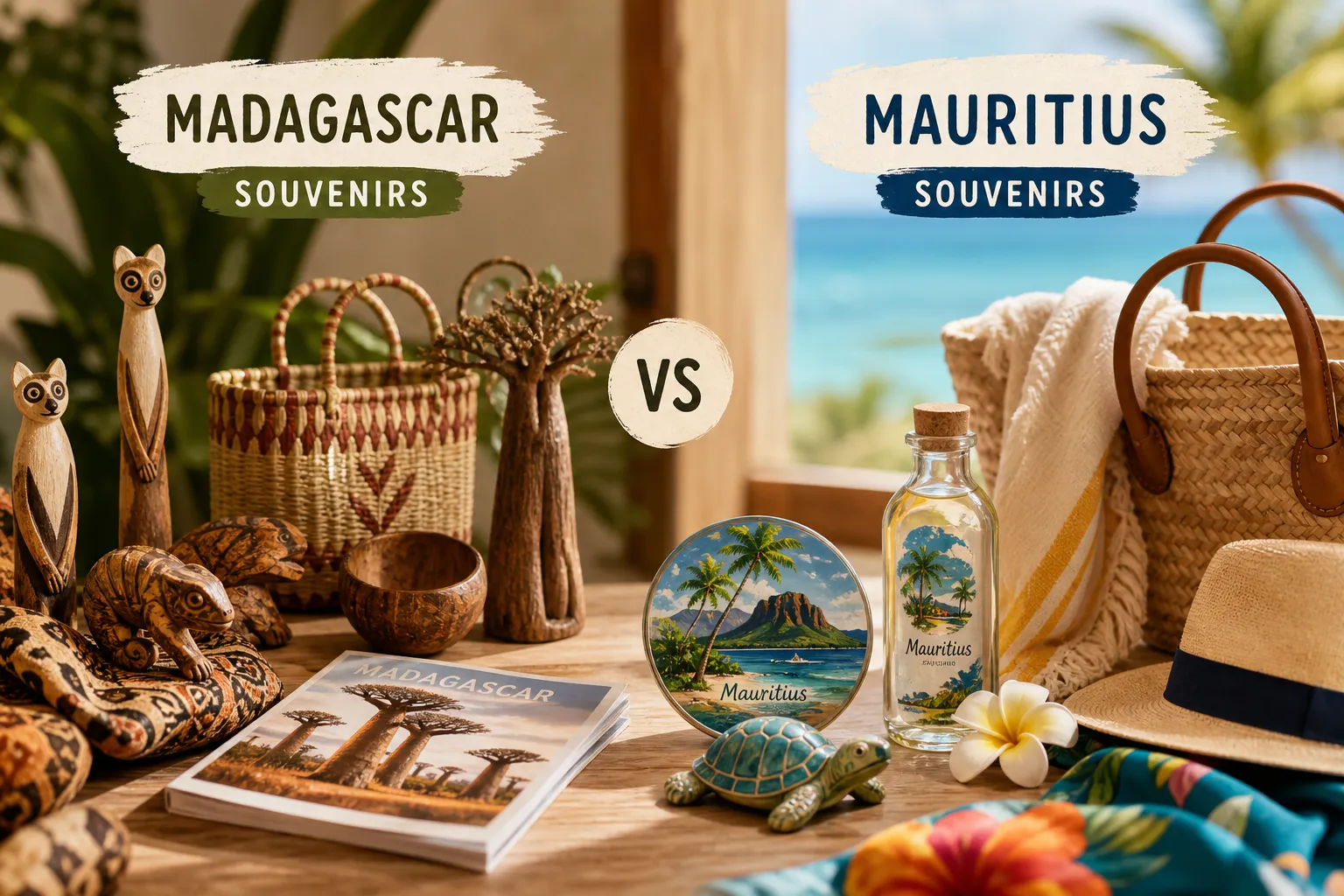
Madagascar vs Mauritius Souvenirs: Key Differences
When comparing Madagascar vs Mauritius souvenirs, most travelers are surprised by how little overlap there actually is. Many group Madagascar and Mauritius as interchangeable "Indian Ocean island getaways," grab something at the airport gift shop, and move on. That's a mistake. The two islands diverge sharply in materials, motifs, cultural roots, and price points, and picking the right keepsake depends on understanding exactly why.
Madagascar's biodiversity-driven identity gives its souvenir market a depth and singularity that Mauritius, for all its charm, simply can't replicate. That gap has created space for brands like KissMada, which translates Madagascar's wildlife and cultural iconography into contemporary merchandise you can wear and use long after your trip ends. This breakdown covers what each island is actually known for in its souvenir markets, how the prices compare, where to find authentic products, what U.S. customs will and won't let through, and where to shop for Madagascar-specific designs if you're buying from the States.
Madagascar vs Mauritius Souvenirs: What Each Island Actually Reflects
Madagascar has been isolated from the African continent for tens of millions of years, and that separation shaped everything, including what ends up on the shelves at Antananarivo's markets. The island's souvenir culture is rooted in natural materials like rosewood, raffia, and Antemoro paper; endemic wildlife symbolism spanning lemurs, chameleons, and baobabs; and Malagasy traditions like the lamba textile. These aren't decorative choices. They reflect an island whose cultural identity is inseparable from its landscape and creatures. Few places on Earth combine this level of endemism and cultural expression in a single market shelf.
Mauritius was largely uninhabited before European exploration in the 16th and 17th centuries, and its culture is a layered product of Dutch, French, British, Indian, Chinese, and African influence. That shows up directly in its souvenir market: handmade model ships referencing old trade routes, batik textiles with South Asian design influence, flavored rums born from French colonial sugar production, and spice blends that reflect Indian Ocean trade history. The souvenirs are sophisticated and worth buying, but they reflect a crossroads culture rather than a singular natural identity.
The cultural foundation of each island determines what's actually authentic and what's mass-produced filler. On Madagascar, the most meaningful souvenirs trace directly to specific regions and artisan traditions: wood carvings from Ambositra, raffia goods from the highlands, vanilla from the Sava region. On Mauritius, the premium products connect to production histories, rum from family distilleries, hand-stitched model ships from craft workshops in the northern regions. Knowing this helps you spend smarter at every market.
Signature Crafts Compared Item by Item
Madagascar's top souvenir categories include vanilla pods from the Sava region, wood carvings (particularly from Ambositra), raffia baskets and bags, lamba cloth and silk scarves, Antemoro botanical paper, natural gemstones and jewelry, and spices including cloves, cinnamon, and black pepper. What ties most of these together is a direct link to the island's natural resources and artisan communities. Antemoro paper, for instance, is handmade using plant fibers and dried flowers pressed into the sheets, you won't find anything equivalent elsewhere. The wood carvings frequently feature lemurs, chameleons, and baobabs because those species are specific to Madagascar and carry immediate visual recognition globally.
Mauritius counters with a different kind of excellence. Handmade model ships, detailed miniature replicas of historical sailing vessels, represent some of the finest souvenir craftsmanship in the Indian Ocean region, with skilled artisans spending many days on a single detailed piece. Rum and flavored rhum arrangé infused with local fruits, spices, and vanilla are genuinely distinctive products tied to the island's production history. Flavored teas, batik clothing, shell jewelry, and Chamarel colored-earth keepsakes round out a market that's visually appealing and culturally layered.
When it comes to wildlife-themed souvenirs, Madagascar has no real competition from any island in the Indian Ocean. The ring-tailed lemur alone is one of the most recognizable animal silhouettes on the planet. Pair it with the panther chameleon, the baobab tree, and the fossa, and you have a roster of endemic species that no designer runs out of material from. Mauritius leans on the dodo for its iconic wildlife imagery, and while dodo-themed souvenirs are charming, there's a ceiling to how emotionally resonant an extinct bird can be as a design motif. Madagascar's wildlife is alive, photogenic, scientifically extraordinary, and globally beloved.
Madagascar vs Mauritius Souvenirs: A Practical Price Breakdown
Souvenirs from Madagascar and Mauritius span a wide price range depending on quality, region, and whether you're shopping at a market stall or a certified shop. Here's what to expect across the main categories for Madagascar:
- Vanilla pods: roughly €5, 12 per 100g (approximately $5.50, $13 USD); grade and traceability affect price significantly
- Spices (cloves, cinnamon, pepper): small packs in the Ar 5,000, 25,000 range (approximately $1, $5.50 USD)
- Wood carvings: small pieces around €10, 40 ($11, $44 USD); larger or finer work costs considerably more
- Textiles (lamba, silk scarves): simple cloth items around €3, 8 ($3.30, $8.80 USD); embroidered or silk pieces run higher
- Raffia bags, baskets, hats: many small crafts fall in the Ar 5,000, 20,000 bracket ($1, $4.40 USD)
- Gemstones and jewelry: certified pieces start around Ar 100,000 ($22 USD) and rise sharply with stone quality
Mauritius runs on a Rupee economy with a similar three-tier structure. Rum and rhum arrangé run roughly Rs 800, 2,800 per bottle (approximately $18, $62 USD) for standard to premium labels. Flavored tea packs cost around Rs 150, 300 ($3.30, $6.60 USD), spices around Rs 60, 200 ($1.30, $4.40 USD) for small quantities, and vanilla pods about Rs 30 each at markets or Rs 150, 600 ($3.30, $13 USD) for retail packs. Batik textiles range from Rs 250, 1,500 ($5.50, $33 USD) depending on size and craftsmanship, and handmade model ships start around Rs 3,000, 5,000 ($66, $110 USD) for smaller models, with premium pieces costing significantly more.
For travelers on a tight budget, both islands offer solid low-cost options: spice packs, simple textiles, and small crafts under $10, 15 USD are available everywhere. At the mid-range, Madagascar's raffia goods and vanilla offer better cultural authenticity per dollar than Mauritius's equivalent tier. At the premium end, Mauritius's model ships are exceptional value for the craftsmanship involved, while Madagascar's certified gemstones represent a serious investment category that requires expert guidance to navigate safely.
Where to Shop for Madagascar vs Mauritius Souvenirs, and How to Spot What's Authentic
Antananarivo has several strong options depending on what you're after. La Digue (Pochard) Market near the airport is a go-to stop for most visitors seeking woodwork, jewelry, raffia goods, and textiles, solid selection, manageable size, and easy accessibility for time-pressed travelers. Andravoahangy Market offers a more local, craft-focused experience with handmade baskets, raffia items, and traditional goods. Analakely Market is the city's largest general market and worth visiting for atmosphere and spices, though it skews more toward everyday goods than tourist souvenirs. For a curated experience without bargaining pressure, Lisy Art Gallery is a reliable higher-confidence pick for quality artisan souvenirs.
In Port Louis, Mauritius, the Central Market (Bazaar Port Louis) is the most iconic stop for spices, sarongs, handmade crafts, and affordable souvenirs. The Caudan Waterfront Craft Market is more polished and tourist-friendly, with model ships, dodo souvenirs, and cultural gifts in a comfortable browsing environment. Le Craft Market is a solid fallback if the main market feels overwhelming.
Fake vanilla is a real problem at both destinations. Genuine Malagasy vanilla beans are dark brown to black, supple, slightly oily, and carry a deep, complex aroma, nothing like the sharp or chemical smell of synthetic alternatives. Look for origin labeling (Madagascar or Bourbon origin), harvest year, cooperative or region detail, and phytosanitary documentation for premium purchases. Brittle, pale, or unlabeled beans are immediate red flags. For gemstones, buy only from certified shops that provide species identification, treatment disclosure, and origin paperwork. For Mauritius textiles, look for clear fiber composition labeling, maker or cooperative information, and honest descriptions of the weaving or printing method used.
Modern Madagascar Merchandise: The Category Mauritius Can't Match
Traditional souvenirs solve one problem and create another. They're perfect for the moment you're standing in a market in Antananarivo, but a raffia basket doesn't necessarily fit into your daily life back in the U.S. What travelers, Madagascar expats, and wildlife enthusiasts increasingly want is something they can wear, use, and display that carries the visual language of Madagascar in a contemporary, design-forward format. That category is largely absent for Mauritius and has only recently started to develop for Madagascar.
KissMada is an online shop built specifically around this need. The brand translates Madagascar's most iconic visual elements, lemurs, baobabs, chameleons, cultural symbols, and the island's humor and landscapes, into apparel, mugs, notebooks, accessories, and home goods with a modern graphic design approach. For U.S.-based buyers, that means you can get a ring-tailed lemur hoodie, a Madagascar-motif tote, or a Malagasy-themed notebook shipped directly to your door without navigating a market in Tana or hoping your checked bag survives the flight. Comparable lifestyle merchandise built around Mauritius's visual identity for the American market remains sparse, the dodo-graphic yoga short and the Chamarel-inspired mug simply haven't materialized at scale.
Many lemur and chameleon species exist only in Madagascar, and the island's distinctive baobabs are central to its visual identity in a way that has no parallel in Mauritius's souvenir culture. That exclusivity is what makes Madagascar's visual language so powerful as a design foundation. When someone wears a lemur graphic tee from KissMada, it signals something specific: a connection to a place that's genuinely unlike anywhere else. That's not a story a generic tropical-island design can tell, and it's not a story Mauritius's souvenir culture, beautiful as it is, has the same tools to tell.
U.S. Customs Rules Before You Pack Your Bags
All food, plant, wildlife, and animal-derived items must be declared to U.S. Customs and Border Protection on arrival, no exceptions. Vanilla pods can be brought in but must be declared; they'll be inspected and passed if properly cured and documented. Dried spices in small quantities are generally admissible, but they still need to be declared and are subject to inspection. Rocks and clean shells are typically allowed if free of sand and soil. Sand itself is tightly restricted: you can't carry more than one ounce, and beach sand collected casually is usually prohibited.
Animal-derived items, meaning anything made from skins, feathers, bones, or ivory, require CITES documentation if they involve protected species. For Madagascar specifically, rosewood and other precious woods may face additional scrutiny due to trade restrictions on those species. For Mauritius arrivals, USDA guidelines specifically flag flower bulbs as a restricted import, so any plant material beyond commercially packaged spices and teas needs careful review before you pack it. The model ships that Mauritius is famous for are generally fine since they're wood and metal craft items without restricted-species components.
Declare everything. CBP inspectors are far more interested in letting you keep a declared vanilla pod than confiscating an undeclared bag of spices. The items most likely to cause problems are unprocessed plant material, meat products, soil-contaminated items, and anything made from wildlife without proper documentation. Keep your receipts from certified shops, carry any authenticity paperwork you received, and pack food and plant items in your carry-on where inspection is faster and less disruptive than checked-baggage confiscation.
The Verdict: Different Islands, Different Strengths
When weighing Madagascar vs Mauritius souvenirs side by side, neither island is a clear loser, but they're not interchangeable either. Mauritius has excellent rum, extraordinary model ships, and a rich culinary souvenir tradition built on centuries of cultural layering. Madagascar has something rarer: a biological identity so singular that it shapes every level of its souvenir culture, from a hand-carved lemur to a baobab-print sweatshirt. Mauritius keepsakes are sophisticated and craftsman-driven. Madagascar's are rooted in an ecosystem found nowhere else on Earth, and that irreplaceability carries straight through to what you take home.
If you're deciding between the two destinations purely on souvenir potential, the choice comes down to what you want the object to say. A bottle of Mauritian rhum arrangé tells a story of colonial trade routes and island flavor. A hand-carved lemur from Ambositra tells a story of a world that exists in one place and nowhere else. For anyone who's felt the pull of the Red Island, that's not a close contest.
And if you want that Madagascar identity in everyday life back in the U.S., KissMada's product range makes it easier than ever to carry a piece of the island with you. If the Madagascar vs Mauritius souvenirs comparison has you leaning toward the Red Island, browse the full KissMada collection and find something that brings Madagascar home, no layover in Antananarivo required.
Posted in:
Madagascar
Related posts
-
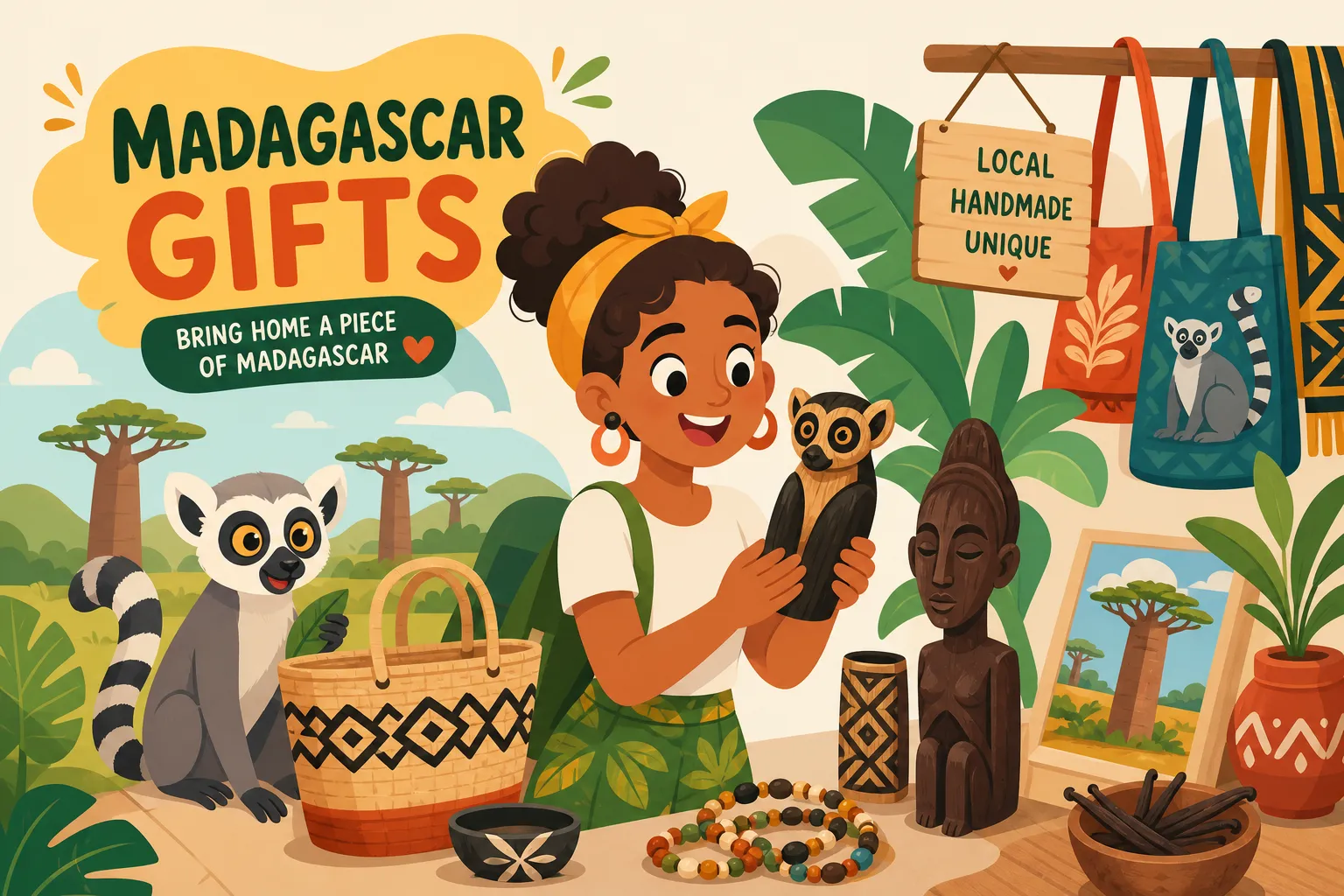 Madagascar Gifts: What to Buy and Where to Find Them
You're searching for Madagascar gifts and the options feel all over the place. On one end, you've got DreamWorks...Read more
Madagascar Gifts: What to Buy and Where to Find Them
You're searching for Madagascar gifts and the options feel all over the place. On one end, you've got DreamWorks...Read more -
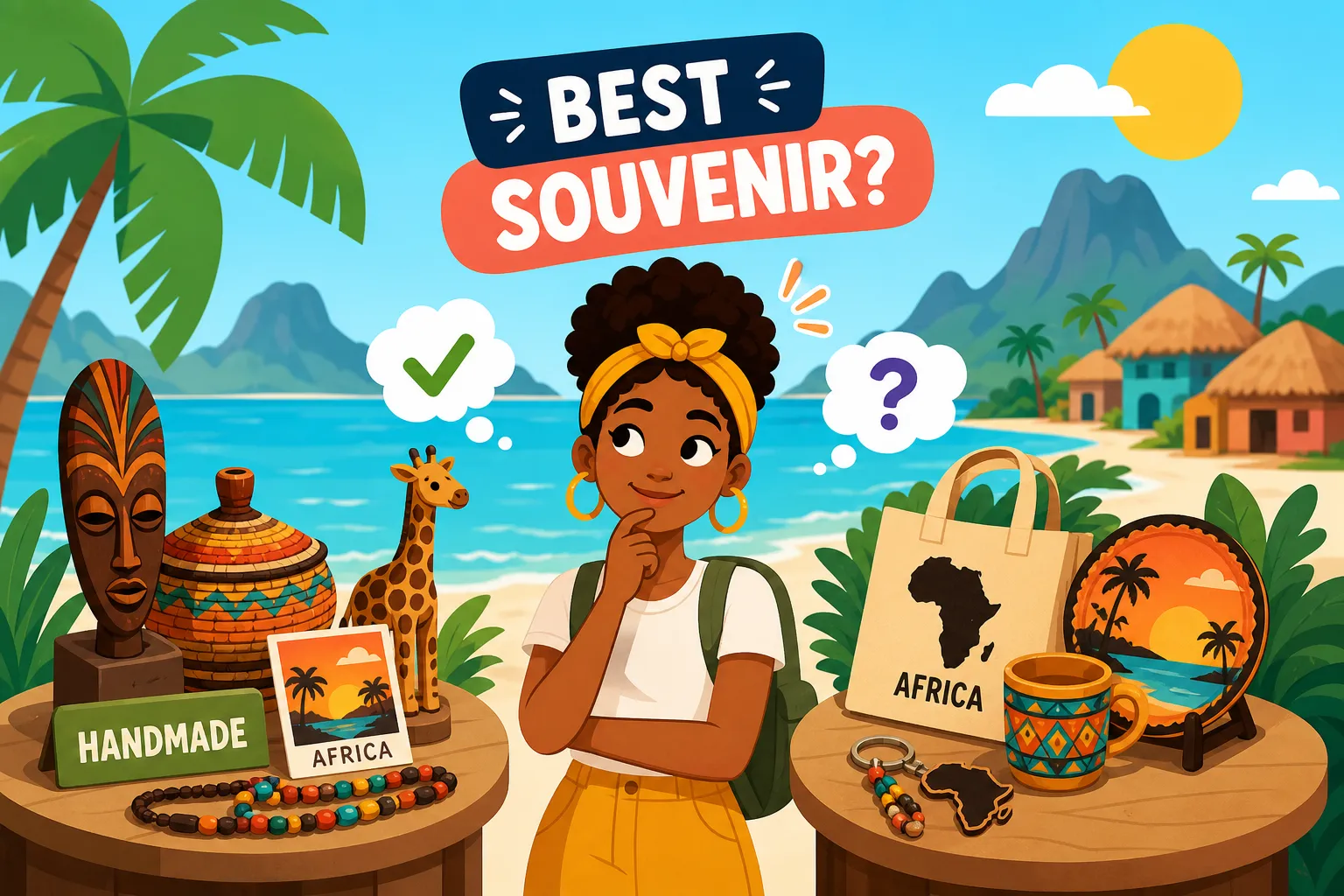 African Island Souvenir Comparison: Which Is Best?
Picture this: you're standing in a crowded market stall, surrounded by carved figurines, spice packets, printed...Read more
African Island Souvenir Comparison: Which Is Best?
Picture this: you're standing in a crowded market stall, surrounded by carved figurines, spice packets, printed...Read more -
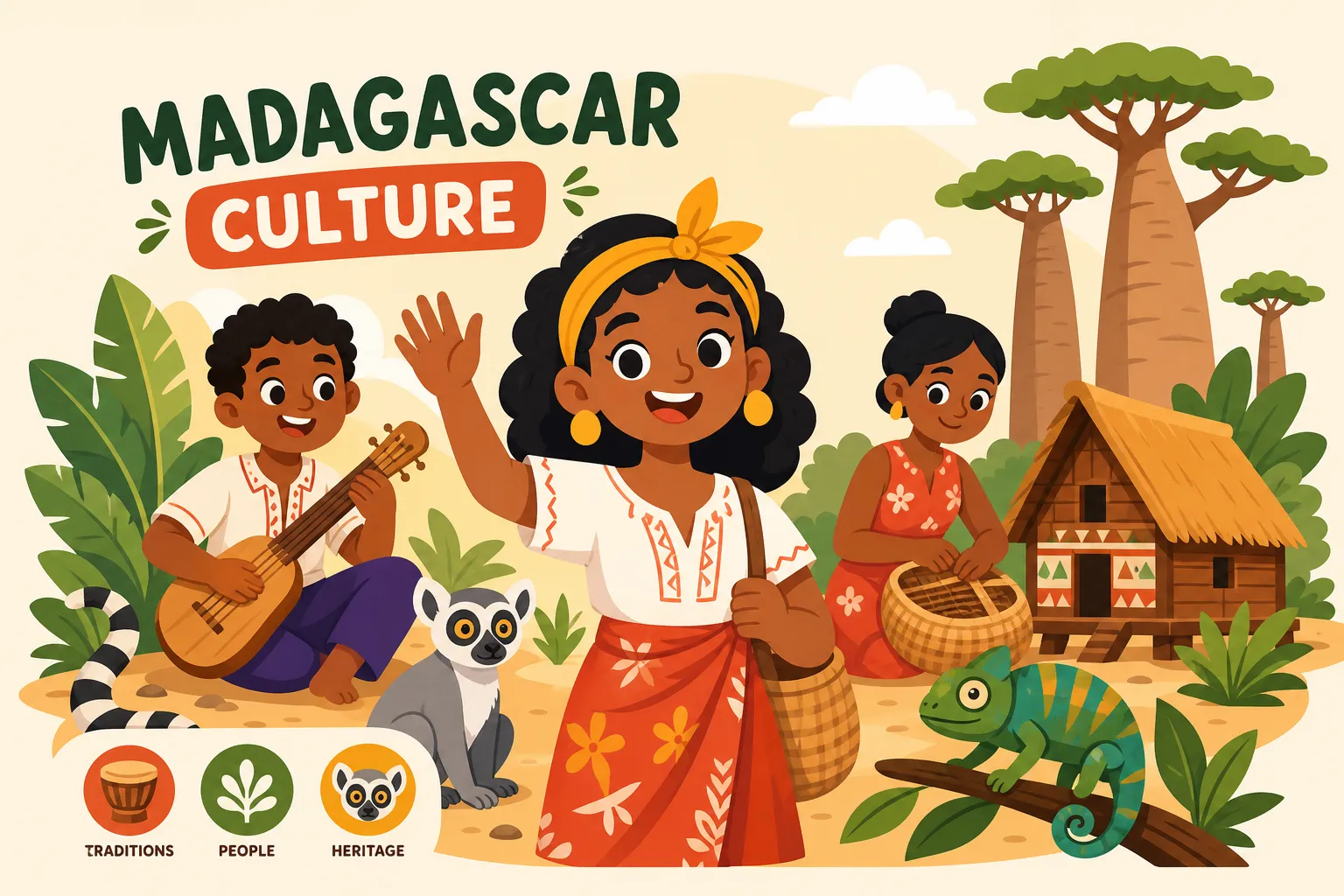 Madagascar Culture Explained for Beginners
Whether you're packing a bag for Antananarivo, writing a research paper, or trying to reconnect with roots you grew...Read more
Madagascar Culture Explained for Beginners
Whether you're packing a bag for Antananarivo, writing a research paper, or trying to reconnect with roots you grew...Read more -
 Understanding Madagascar Traditions as an Outsider
Madagascar traditions run deeper than most outsiders expect. Rather than a checklist of cultural facts you skim...Read more
Understanding Madagascar Traditions as an Outsider
Madagascar traditions run deeper than most outsiders expect. Rather than a checklist of cultural facts you skim...Read more -
 What to Gift a Malagasy Expat Living in the US ?
There's a specific kind of ache that comes with living far from the island you grew up on. It's not dramatic or...Read more
What to Gift a Malagasy Expat Living in the US ?
There's a specific kind of ache that comes with living far from the island you grew up on. It's not dramatic or...Read more
Leave a comment